
01
Examination and X-ray
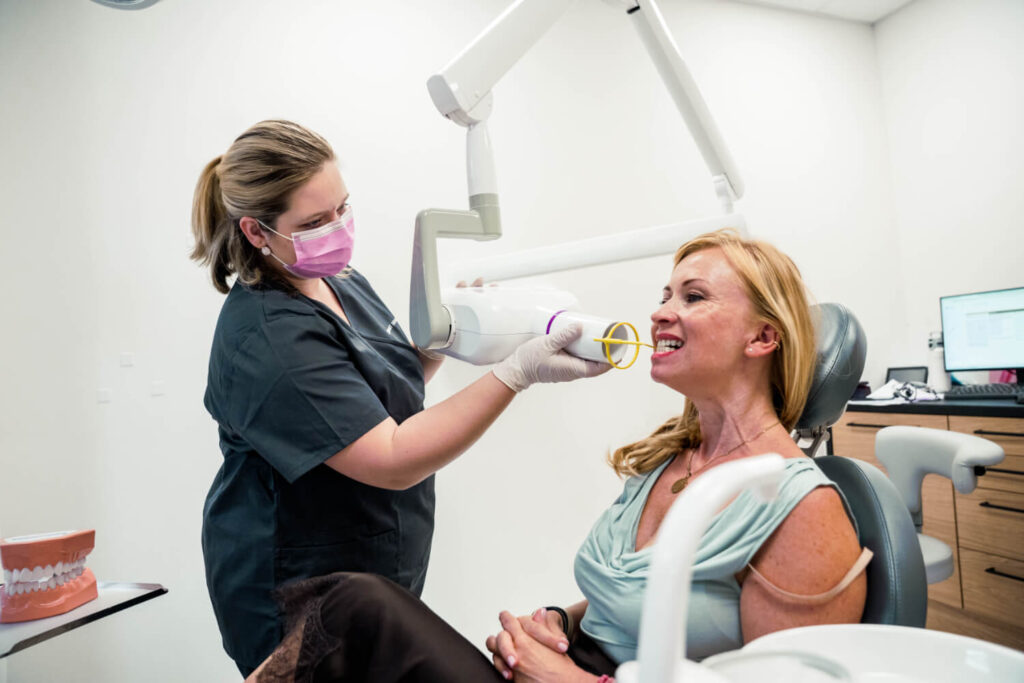
We assess the condition of the pulp and the area around the root. For multi-rooted teeth and re-treatment, we add a 3D CBCT scan.
A procedure in which we remove infected dental pulp to save the tooth from extraction.
Sometimes the tooth does not hurt at all and the problem is only discovered on an X-ray at a routine check-up. The dentist decides whether treatment is appropriate based on the examination and X-ray, or a 3D CBCT scan if needed.
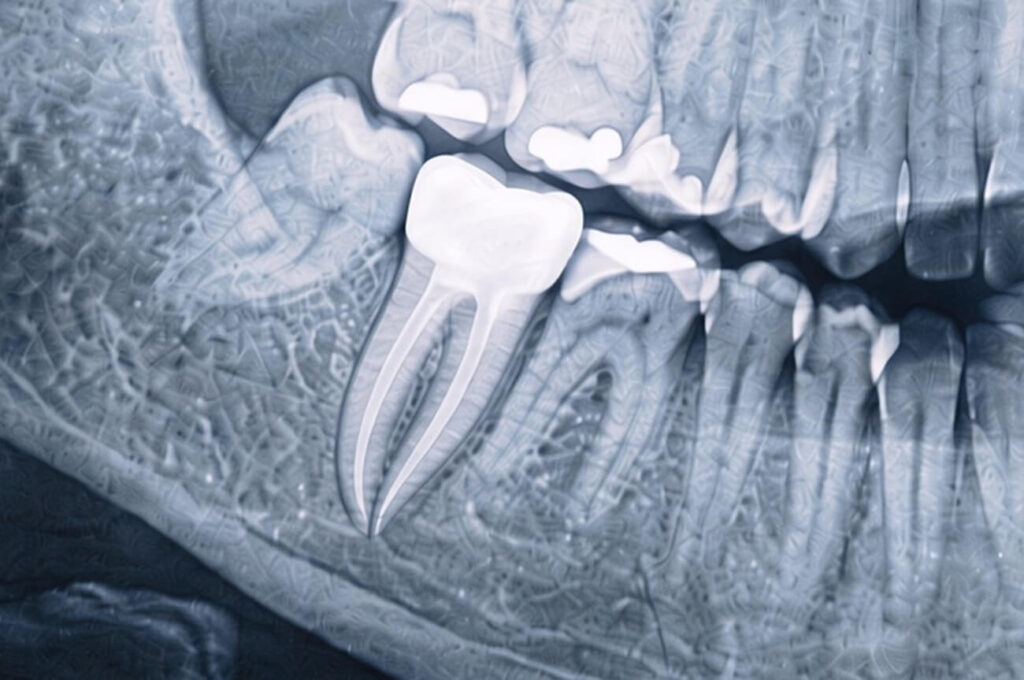
The result shows a tooth with sealed canals, restored with a crown.
We assess the condition of the pulp and the area around the root. For multi-rooted teeth and re-treatment, we add a 3D CBCT scan.
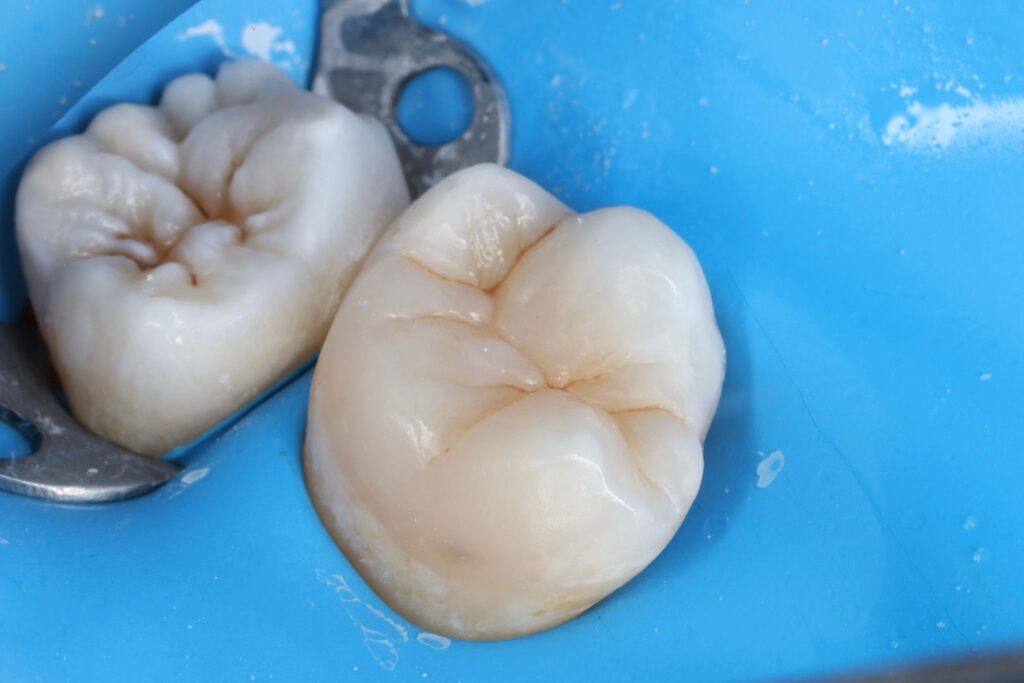
We numb the area - first on the surface with a numbing gel, then with a local anaesthetic. We isolate the tooth with a rubber dam so that no saliva gets into the canals during the work.
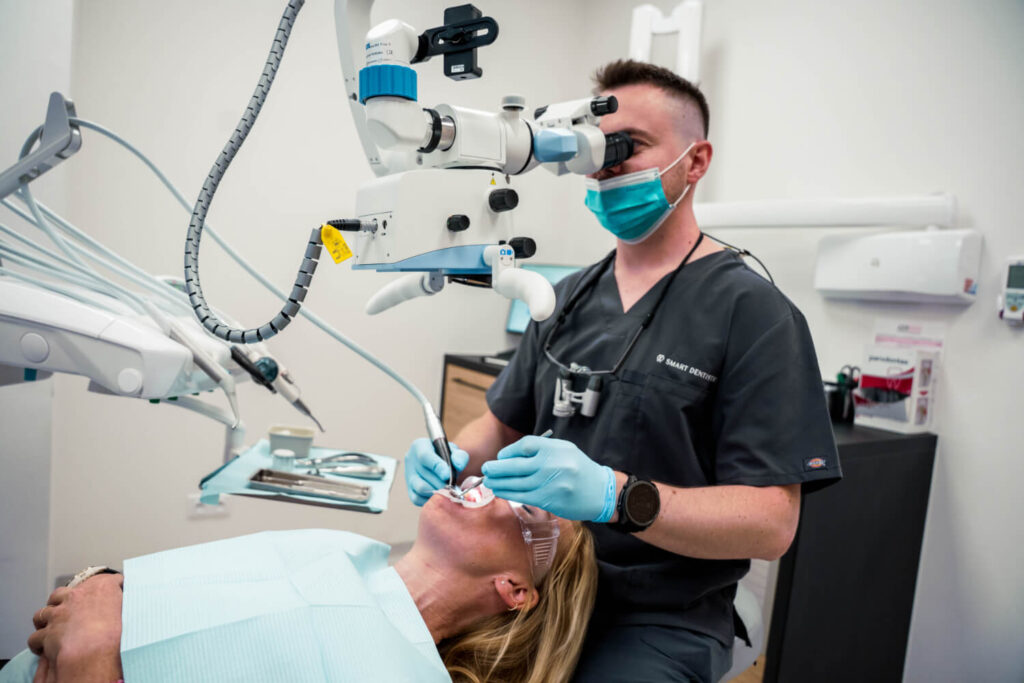
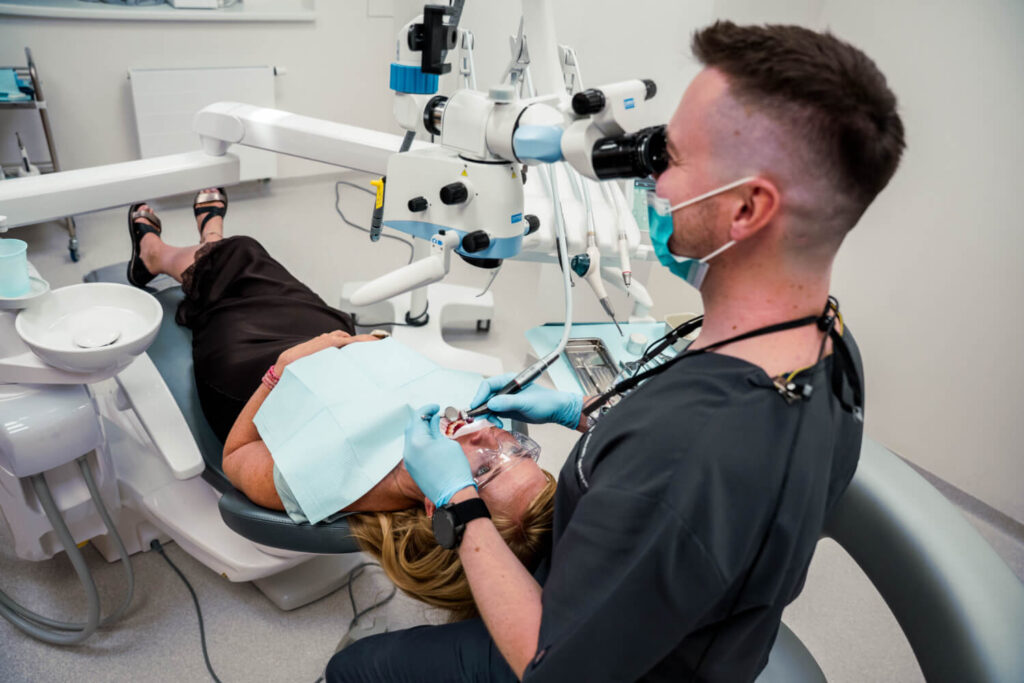
We open the tooth and remove the inflamed or dead pulp. When we need to see more, we work under a microscope.
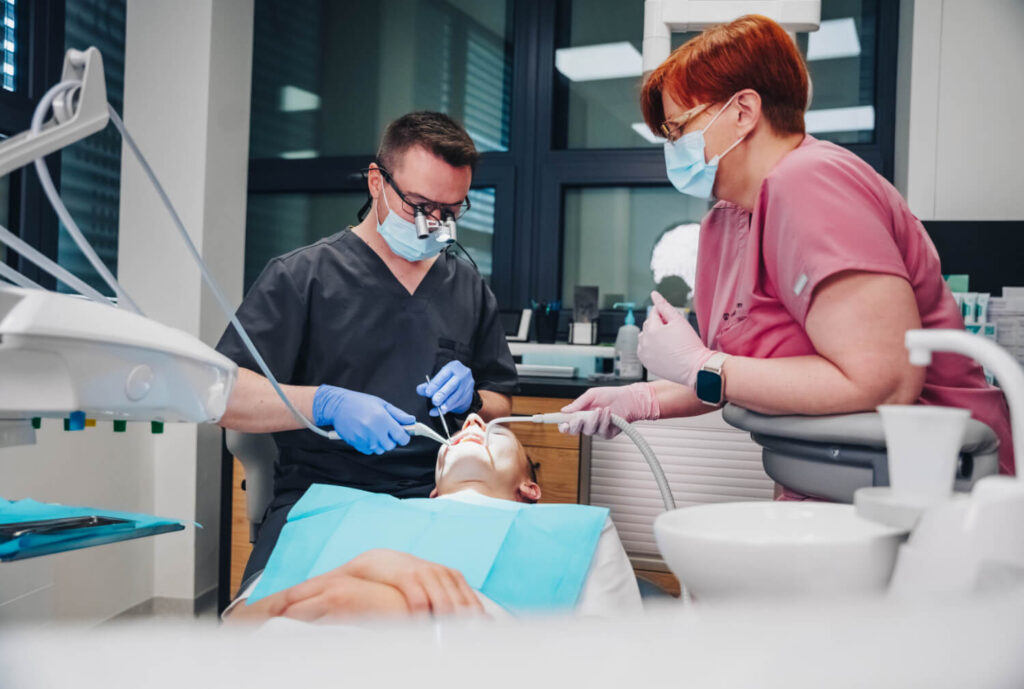
We measure the length of the canal with an apex locator, widen the canals mechanically and rinse them with a disinfecting solution.
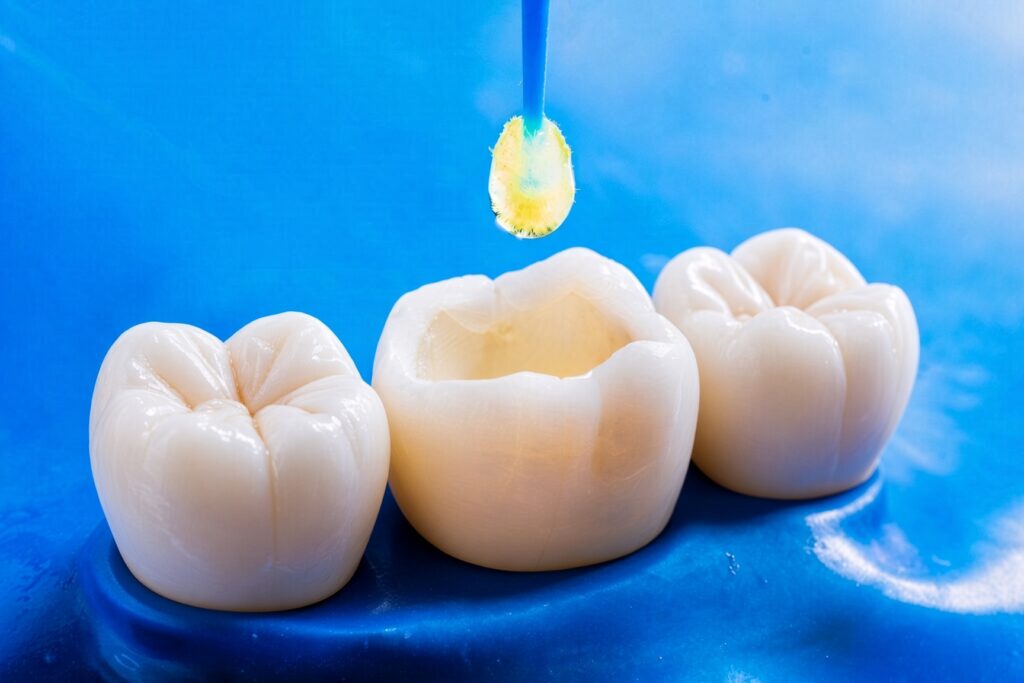
We place calcium hydroxide in the tooth and close it with a temporary filling. The disinfection needs time to take effect - which is why root canal treatment cannot be completed in a single visit.
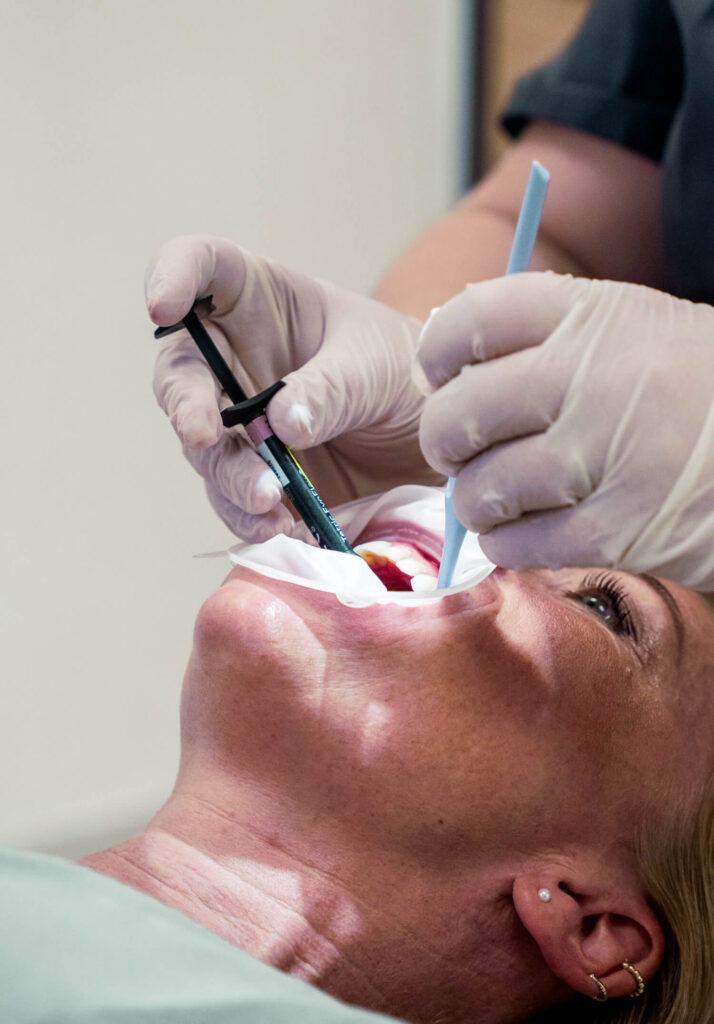
Once everything is clean, in 1 to 2 weeks we permanently fill the canals, take a check-up X-ray and restore the tooth.
The success of root canal treatment depends on precise cleaning and hermetic sealing of all root canals.


We can usually offer an initial check-up within a week. We treat acute pain even if you are not registered with us.
From prevention to surgery. We take care of everything here, so you do not need to go anywhere else.
We discuss the cost of treatment beforehand and tell you about any changes before we make them.
Our own dental microscope, 3D X-ray, intraoral scanner and more ensure precise, high-quality treatment.
We have been caring for smiles since 2017, now in new modern premises at Nové Sady.
We explain everything carefully and give every patient our full time.
Card payment is a matter of course. We discuss the price of treatment with you in advance.




Prices valid from 1 September 2026

The professional development of our team is led by MUDr. Michal Bumbálek, Ph.D., co-owner of the dental centre and a lecturer in endodontics. He earned his doctorate through research into endodontic instruments at Charles University and lectures dentists on endodontics and implantology. He regularly trains the clinic's dentists and is a member of the Czech Endodontic Society, ITI and EAO.
Real questions from our clinic - answered by our dentists.
Most often with deep decay, inflammation or death of the dental pulp. It may also be needed for a tooth with an infection around the root or, in some cases, after an injury. The dentist decides whether treatment is appropriate based on an examination and X-ray, or a 3D CBCT scan if needed.
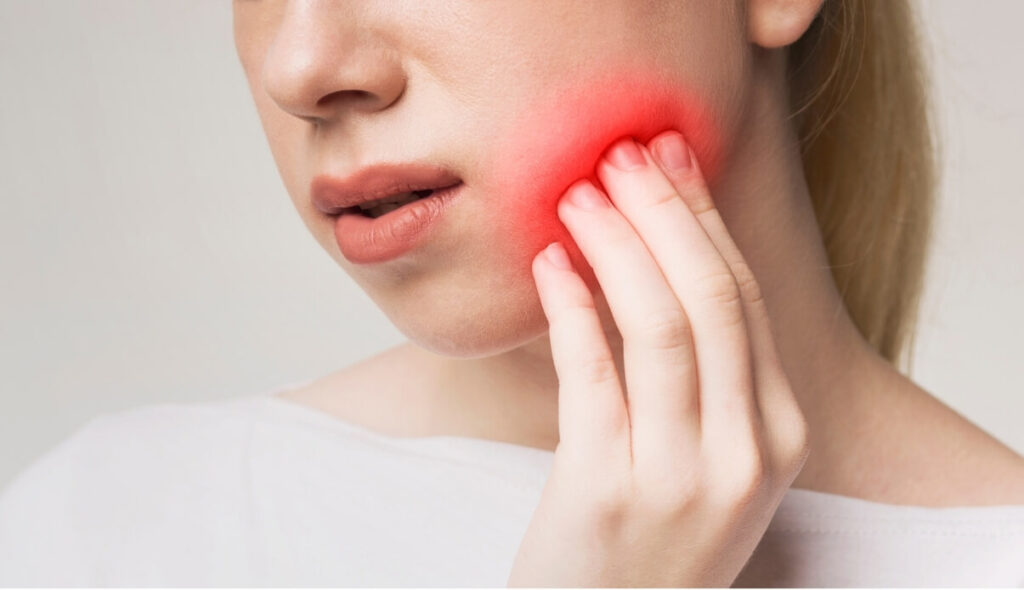
Typical symptoms can include severe or long-lasting pain, sensitivity to hot or cold, pain when biting, swelling or a fistula. Sometimes, however, the tooth does not hurt at all and the problem is only discovered on an X-ray at a routine check-up.
The treatment itself is carried out under local anaesthetic, so you should not feel any pain during the procedure. Afterwards, the tooth may be sensitive for a few days or hurt when you bite. Severe or persistent pain should be discussed with your dentist.
If there is significant infection in the tooth, the canals cannot be cleaned or dried sufficiently at the first visit. A disinfecting dressing always needs time to work – so the first visit involves cleaning and a temporary filling, and the permanent filling follows at the next visit.
In a sense, yes – once the dental pulp has been removed, there is no longer living pulp inside the tooth. But the tooth is not dead as a whole organ. It remains anchored in the bone and the surrounding tissues are alive. After proper treatment, the tooth can function normally for biting.
It may be, for example, an insufficiently treated canal, a persistent infection, a leaking restoration, a crack or another problem that does not necessarily come directly from the root canal system. The tooth needs to be examined again and, depending on the findings, we consider root canal re-treatment, a surgical solution or extraction.
Yes, after the permanent restoration. Until the tooth has been permanently restored, it is best to put as little load on it as possible, as a weakened tooth is more prone to cracking.
A crown is not always necessary. We recommend it more often for molars and premolars, which are exposed to high chewing forces. For a tooth with enough healthy hard tissue left, a high-quality adhesive restoration without a crown may be suitable. Prosthodontics →
There is no fully insurance-covered option for root canal treatment. X-rays taken during treatment are billed to your health insurer. You pay separately after each visit, by card or in cash; we do not offer instalments.
We treat pregnant and breastfeeding women. Before treatment, we always ask about serious general illnesses, heart defects, immunosuppression and the medication you take. Antibiotic prophylaxis is not automatically necessary for every patient with a heart defect – whether it is indicated depends on the specific diagnosis and type of procedure. For high-risk patients, we discuss the approach with their treating physician. We do not carry out root canal treatment on children’s baby teeth.
Call us or send us a message and we will get back to you within one working day.